Your iPhone still works. Then the new Pro arrives, and suddenly you are wondering whether your next photo, game or busy day would be better with it.
In Australia, the 256GB iPhone 18 Pro costs A$2,099 from Apple. The same-capacity Pro Max is A$2,299. Both prices include GST and were checked on 9 October 2026.
The strongest reason to upgrade is a job you want your phone to do better: more control over a favourite kind of photo, more headroom for demanding work, or a size and battery combination that suits your routine. Here is where those differences could earn their price.
What would your photos actually gain?
A friend sits beside a café window. You want their face to stand out, with the busy room behind them softened. Later, you take a group photo with people standing in two rows. This time, you want more of the scene in focus.
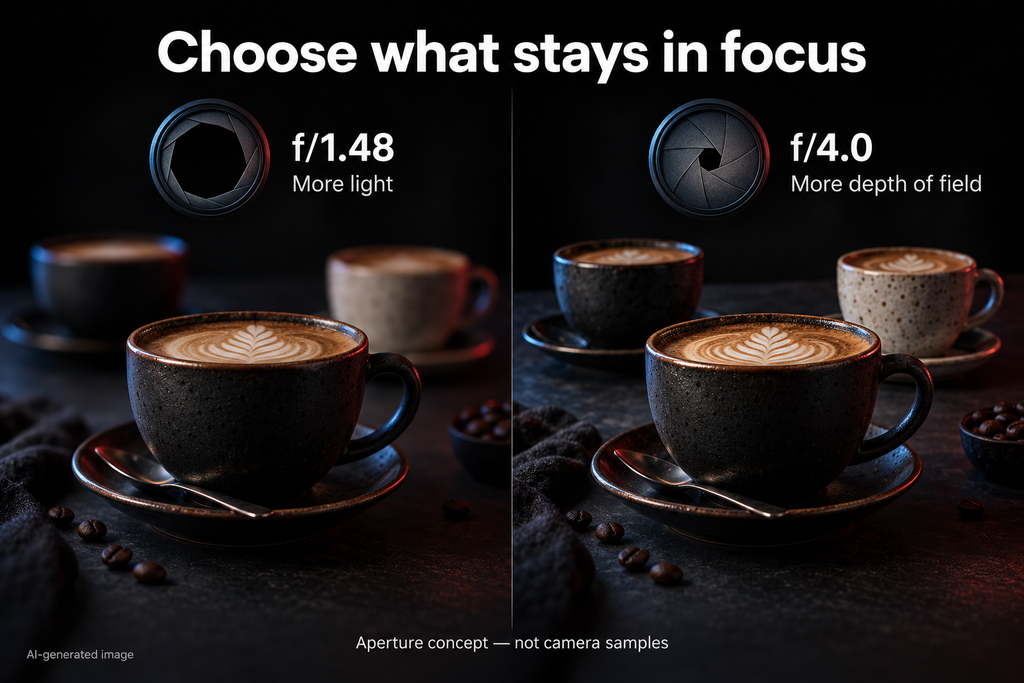
The interesting camera change is being able to make that choice. The 48MP Fusion Main camera has variable aperture, with f/1.48, f/1.8, f/2.8 and f/4.0 settings. Aperture changes the opening that light passes through.
A wider opening, represented by a lower f-number, admits more light and tends to produce a shallower range of focus. A narrower opening increases depth of field while admitting less light. Canon Australia explains the optical relationship. Subject distance, framing and the focus point also affect the result.
That makes a wider setting a useful starting point for a dim scene or a subject you want to separate from its background. In brighter light, a narrower setting can help keep people at different distances clearer. It gives you another way to shape a shot before you take it.
You can also leave the decisions to the camera. Apple says aperture adjusts automatically, with manual control available in the Camera app alongside shutter speed and white balance.
If you enjoy experimenting, try the same subject at a wide and narrow setting from the same position. Compare the background and anything behind the focus point. Look for examples of the photos you actually take when reading reviews: indoor portraits, food or groups tell you more than a megapixel count alone.
Will you feel the speed upgrade?
There is a useful difference between opening a message and keeping a demanding game running smoothly through a long session. If your current phone starts struggling as a task continues, sustained performance is the number to investigate.
Apple makes two separate claims in its A20 Pro announcement: up to 40% faster GPU performance than A19 Pro, and up to a 40% sustained-performance gain associated with the redesigned thermal system. These are manufacturer comparisons, rather than a promise that every app runs 40% faster.
For a regular gamer or someone who edits video on their phone, the next step is practical: find a test of the game or export workflow you use. Check how long the test ran, the settings and what happened as the phone warmed up. A short peak score alone leaves part of your question unanswered.
For messaging, browsing and everyday apps, start with the delay you want to remove. If you can name it, you have a clearer way to judge whether the extra performance matters to you.
What does the extra A$200 buy?
The Pro Max gets the same variable-aperture main camera and A20 Pro. The extra money buys a larger display and higher battery ratings, along with a larger, heavier body. At 256GB, the Australian choice looks like this:
| What you get | iPhone 18 Pro | iPhone 18 Pro Max |
|---|---|---|
| 256GB Apple price | A$2,099 | A$2,299 |
| Display size | 6.3 inches | 6.9 inches |
| Weight | 211g | 249g |
| Apple video playback rating | Up to 34 hours | Up to 43 hours |
Sources: Apple Australia technical specifications and current Australian store, checked 9 October 2026. Prices include GST. Display sizes are nominal diagonals; actual viewable area is smaller. Video playback figures are Apple test ratings, not continuous everyday-use promises.
The difference is easier to picture through your day. Reading documents, trimming video or watching on a commute may make the larger display useful often. Answering one-handed, fitting the phone in a pocket or carrying it through a long day may make the smaller Pro the more comfortable option.
The Max adds 38g before a case. Try both in a shop: reach across the screen, type a short reply and hold each as you would when taking a photo. Then decide whether the extra room earns its place in your hand.
Already using an iPhone 17 Pro?
Your starting point changes the upgrade calculation. If you already like the photos and speed of your 17 Pro, identify the new capability you would use regularly. Aperture control gives photography enthusiasts a specific reason to investigate; a long gaming or editing workflow gives you a performance question to test.
Name the improvement you would use every week.
Take three recent photos you wanted to improve, or note the task where your current phone struggles. Use that short list when looking at camera samples and performance tests. It turns an annual model comparison into a decision about your own routine.
If you are replacing a much older phone, consider the whole change together: camera control, daily performance, screen fit and battery needs. You do not have to justify the purchase through one headline feature.
How much will the upgrade really cost?
The sticker price is the starting point. For an outright purchase, calculate the new phone price plus extras you actually need, then subtract a confirmed trade-in amount or realistic resale proceeds. If selling privately, allow for selling costs. An estimated trade-in value can change after assessment.
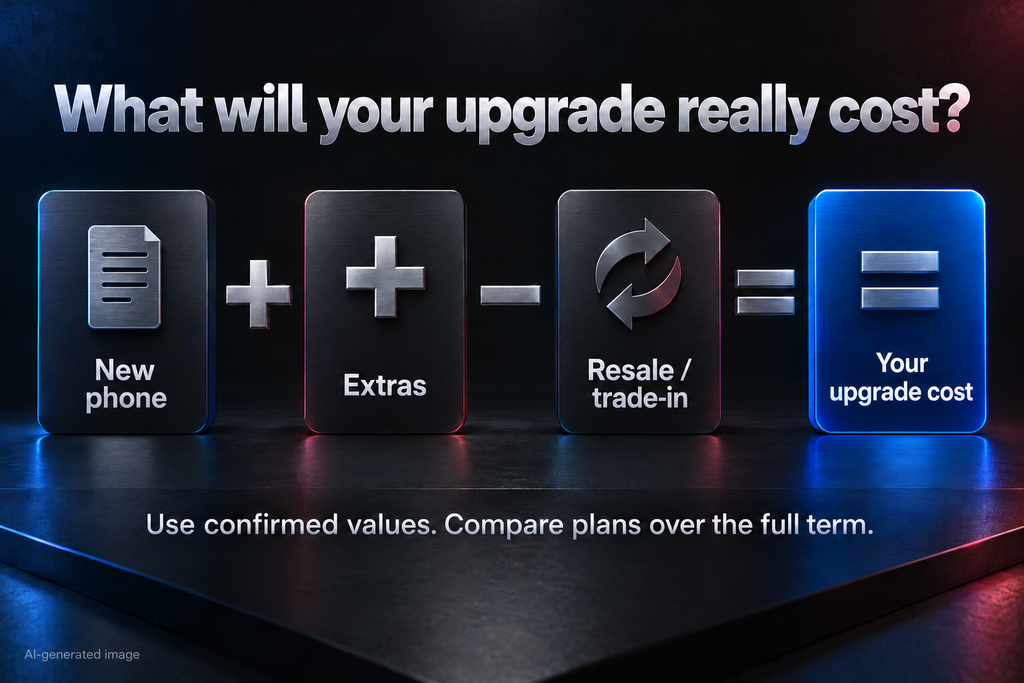
For a mobile-plan offer, compare the phone repayments and service charges over the full term with buying outright and keeping an equivalent plan. Include any required upfront payments and check how the offer changes if you leave early. A smaller monthly payment can simply spread the purchase over longer.
-
- Match storage. Compare the same model and capacity across quotes.
- Price the extras you need. Check your charger, case and other accessories before adding new ones.
- Keep the question personal. Compare that net cost with the improvement you expect to use, rather than buying for the model name alone.
For a photographer who wants more shooting control, or a heavy user replacing a device that struggles, the iPhone 18 Pro has specific strengths to investigate. Choose the Pro Max when its bigger workspace and battery headroom help often enough to justify the extra A$200 and weight.
FAQ
Q. Do all the rear cameras have variable aperture?
No. It applies to the Fusion Main camera. The ultra-wide and telephoto cameras have fixed apertures listed in Apple Australia’s specifications.
Q. Do I need to shoot manually to benefit?
You can use automatic aperture adjustment. Manual control is there when you want to make the choice yourself, so you can explore it gradually.
Q. Is a power adapter included?
Apple lists an iPhone and USB-C charging cable in the box, with the adapter sold separately. Check your existing adapter before adding one to the budget.
See Apple Australia’s purchase information.
Start with one improvement you want, try the size, then calculate the full cost. That is a useful way to decide whether the iPhone 18 Pro earns A$2,099 in your life.
1 thought on “iPhone 18 Pro in Australia: Is It Worth A$2,099?”